• Spanish funding for animal shelters and feral cat colonies

    If you have spent time in Spanish towns or cities, you have probably seen them. Small groups of cats living around parks, plazas, alleyways, and empty lots. Usually there is a feeding station, sometimes a small shelter, and almost always a local volunteer quietly looking after them.
    The funding for local authorities is focused on managing these feral cat colonies in a humane way, as required under Spain’s Animal Welfare Law. This usually means trap-neuter-return programmes, maintaining colony records, and ensuring basic health monitoring.  Trap-neuter-return is the standard humane approach. Cats are captured, sterilised, and returned to their original colonies instead of being removed or culled. Over time, this stabilises populations, reduces disease, and allows cats to live safely in familiar environments with ongoing care.

    A good example of how this looks in practice comes from Alhendín in Granada, where the municipality recently opened a “Cat Hotel.” It is a repurposed recycling container adapted to give colony cats shelter from heat, cold, and rain. It is a small project, but it shows how local authorities can adapt creatively when resources exist. (more…)

  • Animal rescue could not operate without volunteers

    Absolutely they are!  Animal rescue, animal shelters, fostering, adopting, fund-raising. Animal rescue could not work without volunteers.

  • Podencos on Ibiza – abandoned to survive as best they can

    Screenshot

    What most tourists to the Island of Ibiza don’t see.

    ROMERO is one of the unwanted podencos living on the streets of Ibiza.

    Some animal protectors care touchingly about the animals, many tourists alert us and other organizations on the run, others just want to get rid of the uninvited, unloved inhabitants of the island. Many of the wild living podenco/mixes do not survive the cold winter, often suffer from hunger or thirst, are injured and then go crazy. (more…)

  • Foods that are poisonous to dogs

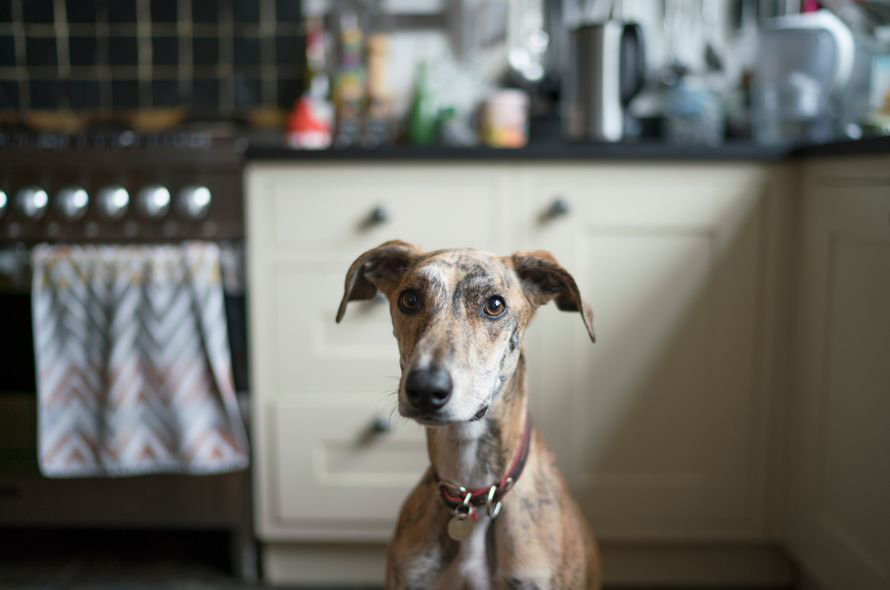
    Toxic food for dogs body image - greyhound sitting in kitchen looking at camera

    Here’s a comprehensive list of foods poisonous to dogs.  If you know your dog has eaten one of them and shows signs of being very ill, an immediate visit to the vet is a must.

  • Helping a rescue dog adjust to a new home

    I’ve had rescue dogs all my life, mostly from rescue associations.  Most of them have come with problems, usually as a result of bad treatment in their past.  One 4-year old galga took over 2 years before she was anything like a ‘normal’ dog, and that was after living with 4 other housemates.  My current Spanish podenca came with a fear of men – what a surprise – after spending the first 7 years of her life shut in a shed and just let out for hunting.  Even after over 4 years in our home, she is still nervous of men and many life situations.

    So it is vitally important to understand the problems which adopting a rescue dog will bring with them, needing much patience whilst they adjust to home life, new people and situations.

    Read about adopting a rescue dog article here.

  • Podenca Reina hoping for a forever home

    May be an image of animal
    Reina – a queen Podenca.  She was handed a hunter… and it makes us so sad to think how easily some people get tired of an animal when it stops serving them as a tool of work.  Fortunately she’s still a happy, noble and affectionate hound and is looking forward to finally finding a real family.
    Almost 5 years old and sociable with other dogs. We don’t think she would fit in with cats because he has quite a hunter instinct.
    She is in Murcia  and can be adopted anywhere in Spain, as long as they personally come to the shelter to pick her up.
    Para adoptarla podéis escribirnos a:  adopcionesalmohadillas@gmail.com
  • Spain goes from bad to terrible for the animals – join the marth 30th May in Madrid

    May be an image of text that says "BILL OF HUNTING AND FISHING OF THE COMMUNITY OF MADRID Ma sin DrİD hunting PODRÁN CAZAR 365 DÍAS AL AÑO La ley declaras hábils en práctica todos los días del año, sin trega para los animales y limitando el uso y disfrutar del territorio a demás ciudadanos."

    The future hunting law in Madrid will not only affect the animals slaughtered without mercy — it affects you too. If you go out into the countryside on weekends, you need to know this:

    As soon as it comes into force, hunting days will effectively become 365 days a year. No breaks. No respite.  Paths will be closed, as will riverbanks. It won’t matter whether you’re a hiker, a cyclist, or simply someone who wants to enjoy the countryside on a Sunday.  The countryside cannot become a battlefield. Animals will have no escape. And citizens who want to enjoy the land peacefully—

    We’re counting on you to make our voices heard. On May 30th, we’re demonstrating. Mark this date in your calendar!!

    Plaza de Callao · 12:00 p.m. · Madrid

    Come, spread the word, let everyone know!!

  • The plight of the Podencos of the Canary Islands

    Podencos in the Canary Islands lead a hellish life and sadly the cost of adopting one to a forever home in Europe is very expensive.

    This video from Bev Farmer of Podenco Friends shows how some of them are kept, only let out to hunt.